Warehouse Flooring: Choosing the Right Surface for Heavy-Duty Operations
Your warehouse flooring takes a beating every single day. Forklifts, heavy equipment, chemical spills, and constant foot traffic create challenges that standard floors simply can’t handle. This guide provides general information to help you understand warehouse flooring options, though professional assessment is always necessary for your specific operational requirements and safety compliance.
Whether you’re dealing with cracked concrete, stained surfaces, or floors that have become safety hazards, the solution starts with understanding your options. Jason Roberts Inc. has been helping Connecticut warehouse operators choose and install the right industrial flooring systems for over 30 years. Let us help you make an informed decision.
What Do You Need From Warehouse Flooring?
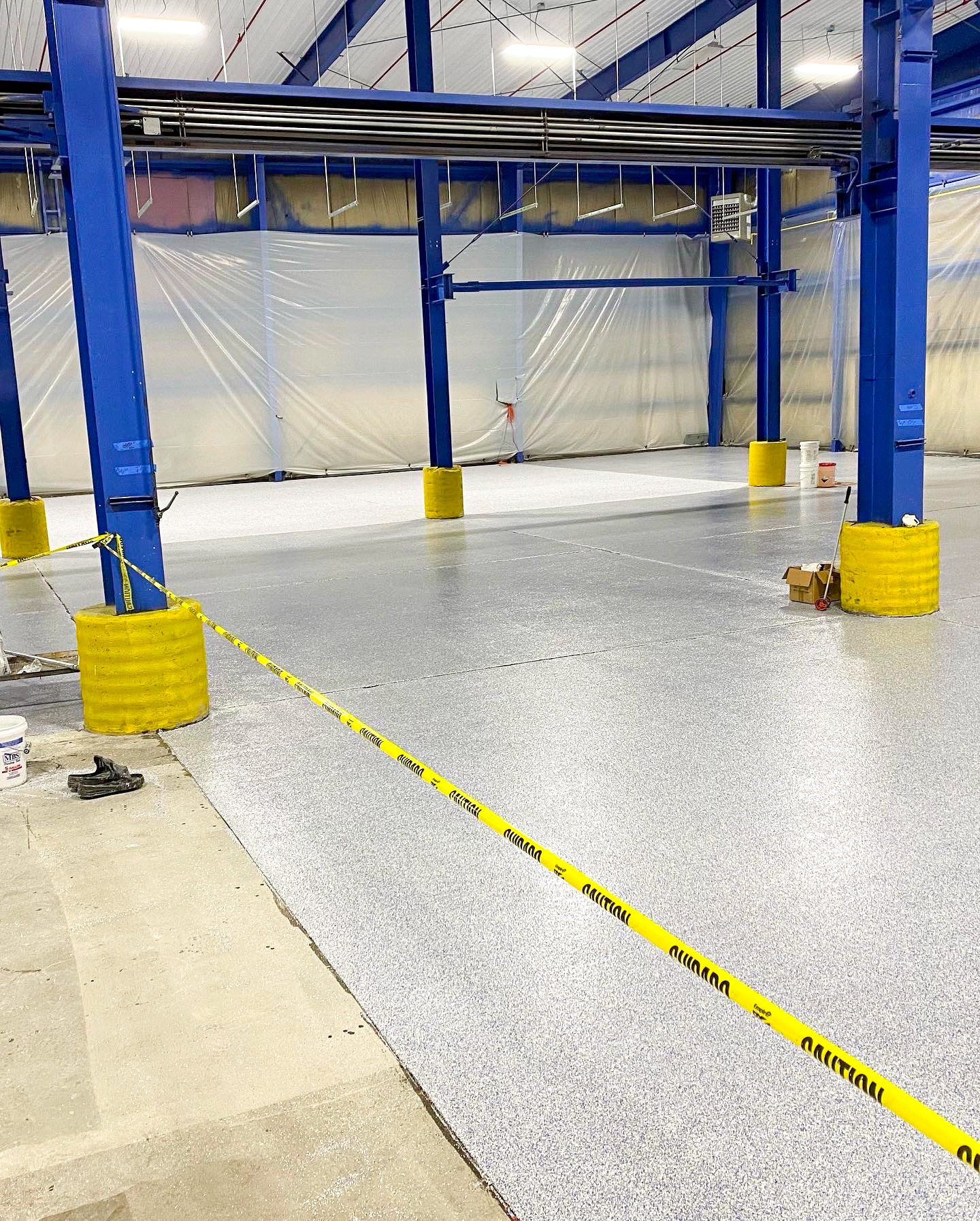
Warehouse floors have a tough job. Between heavy forklifts, loaded pallets, and nonstop traffic, they take far more abuse than your average commercial floor. All that weight and motion can crack or wear down weaker surfaces fast, so your flooring needs serious strength and durability to keep up.
It’s not just about weight, though. Most warehouses handle cleaning chemicals, hydraulic fluids, and the occasional product spill. A good floor should handle all that without staining, corroding, or breaking down over time.
Safety is another big factor. Slip-resistant surfaces are essential for preventing accidents and keeping your workplace OSHA-compliant. The right flooring maintains strong traction, even when things get wet or oily.
And because we’re in Connecticut, the weather can’t be ignored. From freezing winters to muggy summers, your flooring should expand and contract without cracking or peeling.
Common Flooring Challenges in Industrial Settings

No warehouse floor is indestructible, especially when it’s constantly under pressure from heavy equipment. Over time, common problems tend to show up:
- Cracks and surface damage: Heavy loads can put stress on certain areas, leading to cracks that can become trip hazards or allow moisture to seep in.
- Uneven wear patterns: Forklifts and machinery follow the same routes, creating worn tracks or low spots that collect water and debris.
- Chemical stains and corrosion: Spills from oil, cleaners, or chemicals don’t just look bad—they can eat away at the concrete.
- Unexpected downtime: When floors need emergency repairs, operations can grind to a halt, cutting into productivity.
Managers often juggle cost, durability, and lifespan to get the best value from their flooring investment.
Best Flooring Options for Warehouses
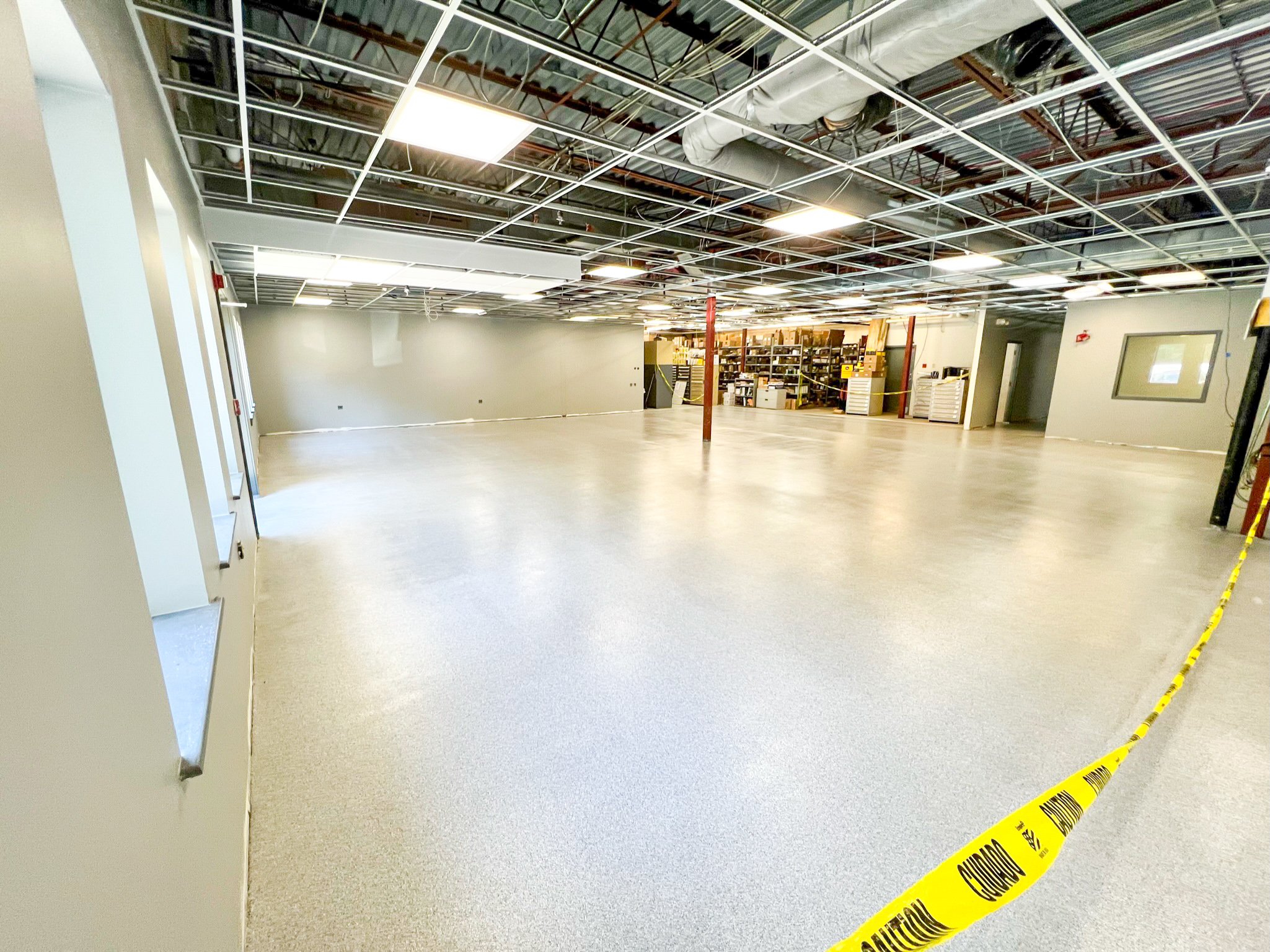
Warehouse flooring options vary in price, performance, and application methods, allowing you to find a solution that matches your needs and budget.
Polished Concrete Floors for Durability and Low Maintenance
Polished concrete offers exceptional durability for high-traffic warehouse environments. The grinding and polishing process densifies the surface, creating a concrete floor that resists wear, dusting, and impact damage. This flooring system reflects light effectively, improving visibility and reducing lighting costs while requiring minimal maintenance.
Epoxy Floor Coatings for Heavy-Duty Protection
Epoxy flooring provides superior chemical resistance and impact protection. These coating systems bond directly with prepared concrete, creating a seamless surface that resists abrasion, chemicals, and thermal shock.
Epoxy floors can be customized with anti-slip aggregates, safety markings, and color coding to enhance safety and organization. The coating’s thickness and formulation can be adjusted for specific chemical exposures and traffic loads.
Concrete Overlays and Resurfacing for Worn Warehouse Floors
Concrete overlays and resurfacing systems restore damaged warehouse floors without requiring complete replacements. These solutions apply new concrete materials over existing surfaces, correcting minor settling, filling cracks, and providing fresh surfaces for additional treatments.
Overlay systems can incorporate fiber reinforcement, chemical resistance, or decorative finishes while significantly extending floor life.
Sealed Concrete Systems for Budget-Friendly Performance
Concrete sealing provides basic protection against dusting, minor stains, and moisture at an economical price point. These treatment systems work well for light- to medium-duty warehouse operations that don’t require extreme chemical resistance.
Choose Professional Installation for Long-Term Performance

Even the best flooring materials won’t perform as expected without expert installation. At Jason Roberts Inc., we know that a rushed prep job or poor application can cause early wear, cracks, or coating failure—problems that cost more to fix later.
Connecticut’s unique climate adds another layer of complexity. Freeze-thaw cycles, humidity, and temperature swings all influence how flooring materials cure and hold up over time. Our team’s experience with local conditions ensures your floor performs reliably in every season.
Professional installation also ensures full compliance with OSHA and local safety standards, protecting your crew and business. With a proper maintenance plan in place, you can prevent small issues from becoming expensive repairs.
The foundation of efficient warehouse operations starts with the right flooring system. From managing heavy equipment loads to preventing chemical damage, your warehouse flooring choice affects every aspect of your business. Professional installation by experienced contractors like Jason Roberts Inc. ensures your industrial flooring performs as intended, meets safety standards, and minimizes long-term maintenance costs. For expert warehouse flooring installation in Connecticut, contact Jason Roberts Inc. today for a tailored solution built to withstand your toughest operations.