What You Need to Know Before Learning How to Repair Cracked Concrete
Connecticut’s freeze-thaw cycles are tough on concrete, and many homeowners discover new cracks each spring after winter’s damage becomes visible. When you spot cracks in your driveway, patio, or walkway, the immediate question is whether you can handle repairs yourself or need professional help.
As concrete restoration specialists with decades of Connecticut experience, Jason Roberts Inc. helps property owners understand what concrete crack repair entails and why a professional assessment protects their investment from costly mistakes. Note that while this information helps you understand concrete damage, every situation is unique and requires professional evaluation
Why Does Concrete Crack in the First Place?
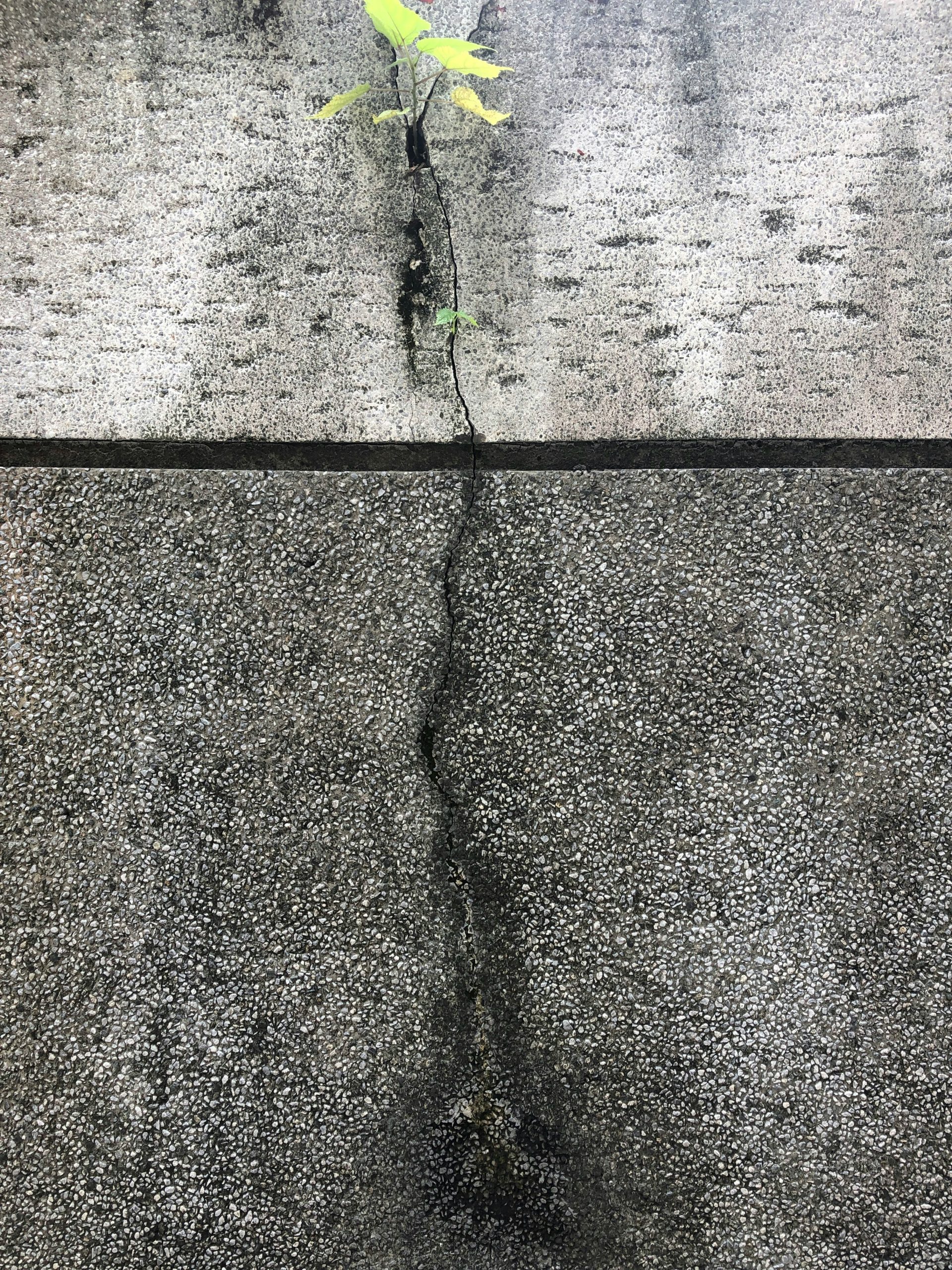
Understanding the causes of concrete cracking helps you recognize when damage goes beyond surface-level cosmetic issues and requires expert intervention.
Concrete cracking is often due to:
- Freeze-thaw cycles: Water expands when frozen, creating pressure that widens cracks during Connecticut winters
- Soil settlement: Poor base preparation or soil erosion creates uneven support
- Heavy loads: Oversized vehicles or equipment that exceed concrete capacity
- Poor installation: Inadequate base preparation, wrong mix ratios, or rushed curing
- Soil movement: Connecticut’s clay-rich soils expand and contract with moisture changes
- Age and weathering: Natural deterioration over time
These root causes reveal why many cracks indicate deeper structural problems that DIY repairs can’t address. What appears to be a simple surface crack may be connected to underlying issues that require professional diagnosis and repair.
Types of Concrete Cracks and What They Mean
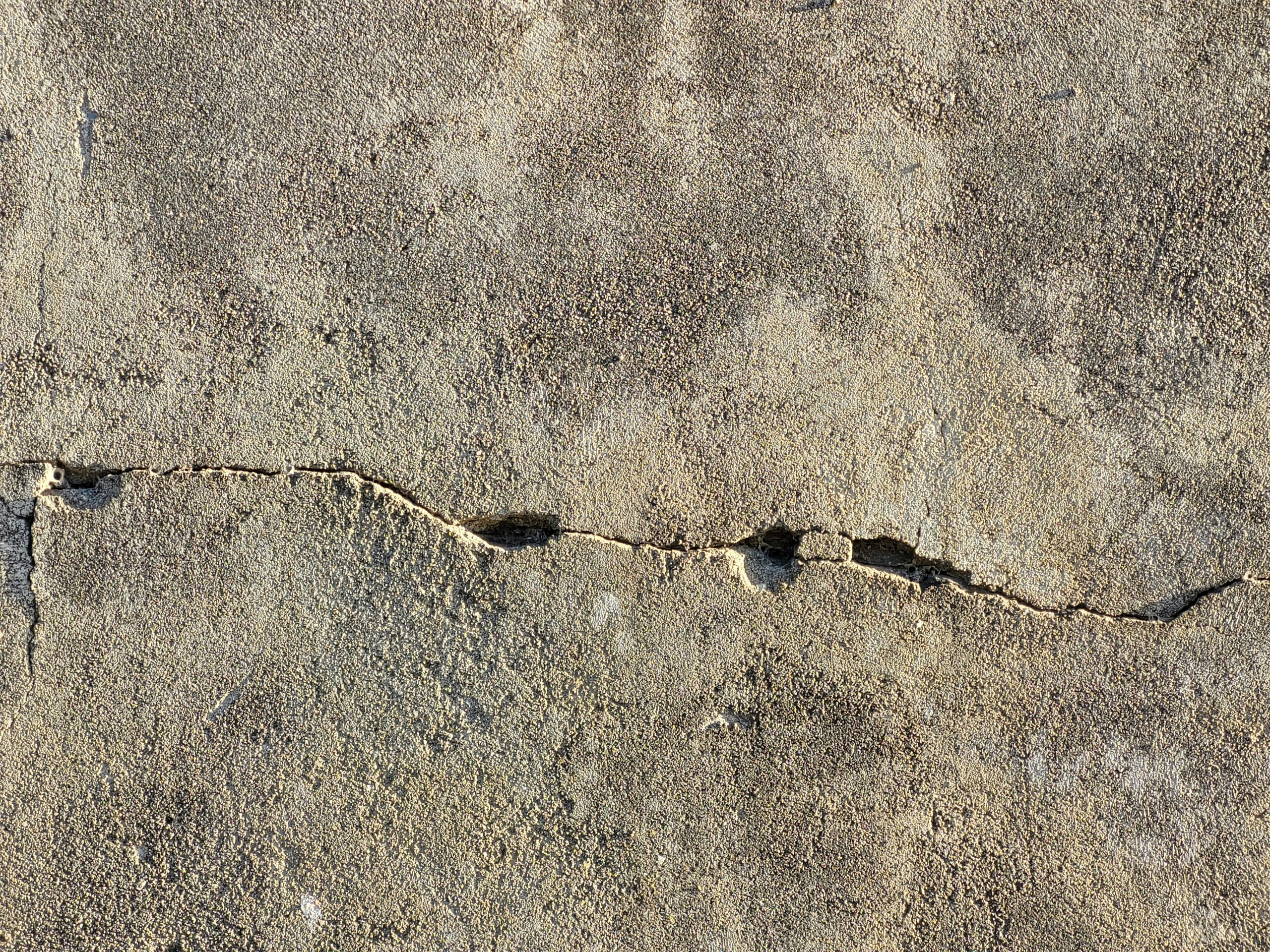
Different crack patterns signal different problems, and misidentifying the crack type often leads to failed repairs and wasted money.
Hairline and surface cracks are thin, shallow lines less than 1/8 inch wide that usually form as concrete cures. While they appear minor, they can allow water infiltration that leads to serious damage during freeze-thaw cycles.
Settlement and structural cracks are wider, deeper cracks that follow straight lines or joints, often indicating settling or foundation movement. Step-shaped cracks are a sign of serious structural issues that surface repairs cannot fix.
Active vs. inactive cracks are a critical distinction. Active cracks continue to widen, indicating ongoing movement beneath. They’ll break through any surface repair you attempt. Determining whether a crack is truly inactive requires professional assessment and monitoring.
Why Professional Concrete Crack Repair Makes Financial Sense

Many Connecticut homeowners attempt DIY concrete crack repairs to save money, but this approach often ends up costing more in the long run.
The Real Cost of DIY Failures
Store-bought concrete repair products rarely bond well to existing concrete, especially in Connecticut’s extreme temperatures. When repairs fail – and most DIY attempts do – you’ve wasted money on materials while allowing the underlying problem to worsen. By the time you call professionals, the damage often requires more extensive repairs.
What Professional Repair Includes
Professional concrete repair from Jason Roberts Inc. delivers lasting value through:
- Proper diagnosis of underlying causes
- Appropriate repair methods for Connecticut conditions
- Techniques that address root problems, not just symptoms
- Warranties that protect your investment
- Documented work for insurance and property value
Long-Term Value Protection
Surface patches that don’t address underlying causes trap moisture and accelerate freeze-thaw damage. DIY repairs often hide worsening structural issues until they become emergencies that need complete replacement rather than repair. Documented professional repairs maintain property value and support insurance claims or home sales, while DIY work may raise questions during inspections.
Which Cracks Need Professional Assistance?

Nearly all concrete cracks in Connecticut benefit from professional assessment, even if they appear minor. Our freeze-thaw cycles, clay soils, and weather extremes create conditions where small problems quickly become major issues.
Cracks wider than 1/4 inch, those that keep growing, or patterns indicating foundation movement, definitely require expert evaluation. But even hairline cracks deserve professional attention to determine whether they’re superficial or early signs of more serious problems.
Jason Roberts Inc. provides professional concrete restoration services throughout Connecticut and Southern Rhode Island. From coastal areas like Old Saybrook and Westerly to inland communities like Avon and Essex, our experienced team addresses concrete repair challenges with proven techniques that preserve property value and safety.
The Bottom Line: Protect Your Investment With Professional Expertise
Concrete crack repair isn’t as simple as filling gaps with store-bought products. Understanding the causes, types, and proper repair techniques of cracks reveals why professional assessment protects your property and saves money over time. What appears to be a minor crack often signals underlying issues that require expert diagnosis and specialized repair methods.
Don’t gamble with your property’s structural integrity and value. Jason Roberts Inc. brings decades of concrete restoration experience to Connecticut properties, delivering repairs that address root causes and stand up to our challenging climate. Contact our team for a professional assessment that gives you accurate answers and lasting solutions you can count on.